Bulbapedia claims: “Each player received the Half Deck in their native language; there were 12 in Japanese, six in English, and one each in Danish, Dutch, French, German, Portuguese, and Swedish.”
3 Likes
I’ve got the information from Bulbapedia, as mentioned by @pichufan above. I’ve also been in brief contact with the person who added that information on Bulbapedia, but he couldn’t really remember it. Can’t recall his exact words (will see if I can find the messages between us later on when I’m not at work), but it wasn’t very useful, that I do remember..
EDIT: Found it, this was all he said based on my question:
A thread on efour or PokeGym had someone (I think a father of one of the participants) post pictures of the lesser/never seen English cards from the deck and they recounted that info. The Italian cards you’ve seen may have come from the revised version from the 2002 World Championships. I’ve never been able to find decent information on the event so I can’t say for certain. Also, make sure to end your messages with ~~~~. glikglak 17:43, 19 April 2019 (UTC)
source
[/quote]
So not very useful. Apparently he heard about it either here or on PokéGym from a father of one of the participants.
One other different thing for this thread which I already knew but others might not: just like Articuno, Zapdos, Moltres containing the Spanish 1,2,3 (uno, dos, tres), the same applies to Deino, Zweilous, Hydreigon containing the German 1,2,3 (Ein, Zwei, Drei).
Greetz,
Quuador
6 Likes
Not sure if this has already been shared, but French, German and Italian e-Reader cards have no e-Reader strips and are missing the e-Reader logo in the lower left corner.
https://instagram.com/p/B76xsJ2l7a-
I’m guessing the e-Reader didn’t support those languages?
5 Likes
It hasn’t been said before, although I did knew about it from my personal Pikachu collection for quite a while now. 
Some English E-reader cards that came from decks had a similar layout without e-reader borders as the Italian Pichu you’ve shown.
And here some TIL for myself today:
- Donphan from the Japanese Neo Genesis (Gold, Silver, to a New World…) set has an error without damage number and a corrected version with 10x damage number
- Japanese Misty’s Seaking from the Misty Theme Deck (Hanada City Gym) has a No. 118 error and No. 119 corrected version
- Japanese Brock’s Zubat from the Brock Theme Deck (Nivi City Gym) has a No. 027 error and No. 041 corrected version
- The Japanese Mewtwo from the Vending Series 3 (Green) has two different textual versions
Greetz,
Quuador
5 Likes
I’ve just learned that there was a ten-character limit for the names of the first few generations of Pokémon. This is the reason why for example Victreebel is with a single ‘l’ instead of being Victreebell (combination of victory, tree and bell); and why it’s Feraligatr instead of Feraligator (combination of feral and alligator).
Greetz,
Quuador
8 Likes
I’m going to assume this has something to do with the limit on the monster names in some database in the games?
1 Like
TIL that the combined supporter Trainer cards from Cosmic Eclipse are copy-pastes of earlier cards (the background are unique though, since I just checked  ):
):
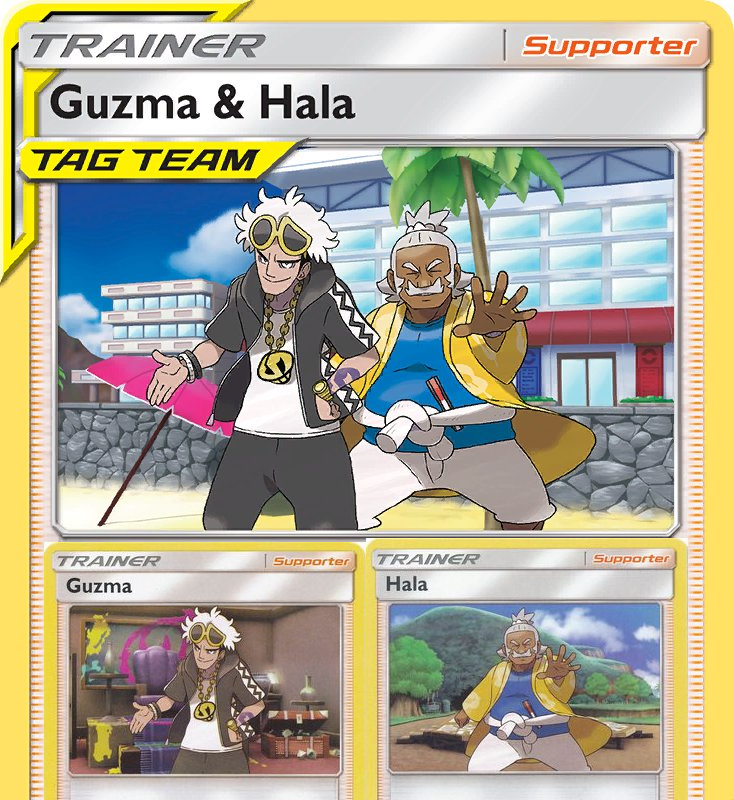
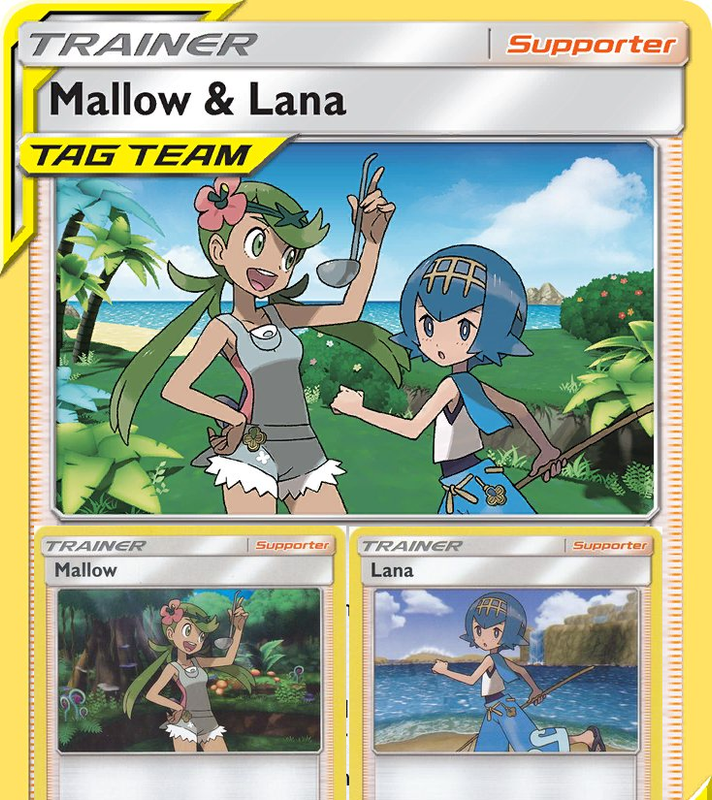
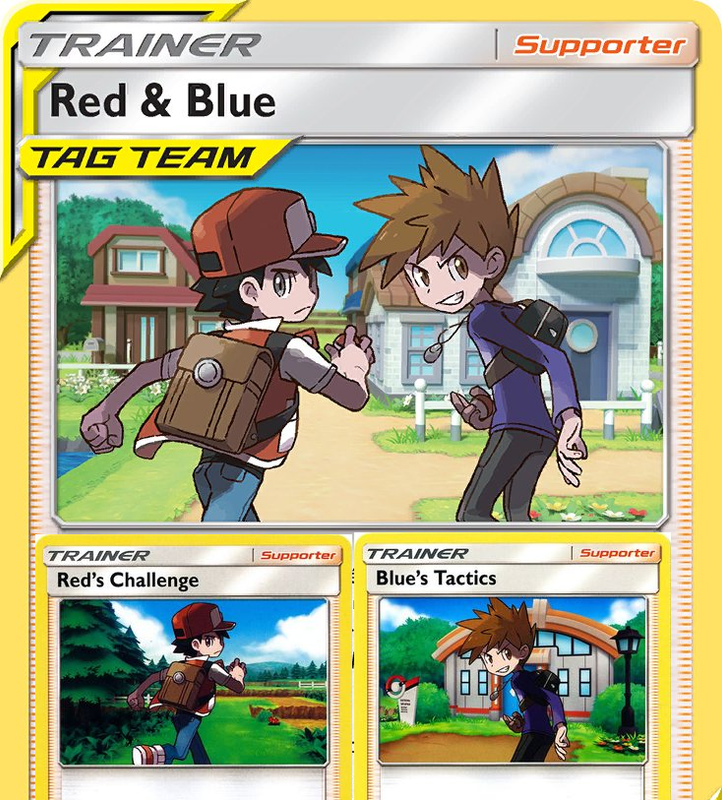
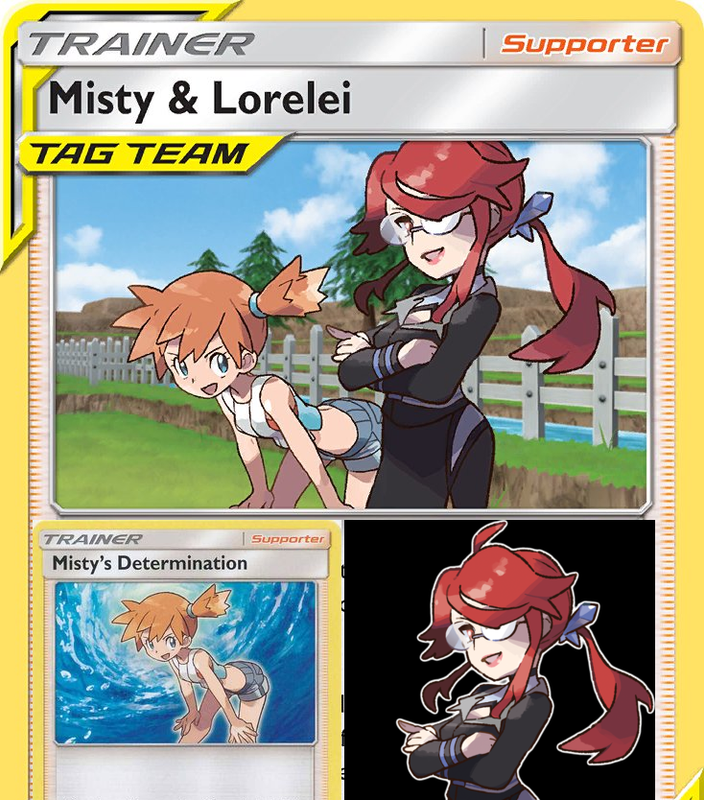
(With the exception of Lorelei, who’s missing a loose card. The artwork is re-used from the Let’s Go, Pikachu! Let’s Go, Eeevee! game according to Bulbapedia, though.)
Greetz,
Quuador
5 Likes
I was always under the impression the Natta Wake Birthday Pikachu was a holo card, until it arrived in the mail.
4 Likes
I had something similar with the English Espeon Gold Star. I knew it was non-Holo, but always thought the star behind its name would be holofoil, but apparently not.
Hmm, the Natta Wake Pikachu would look pretty good in holofoil I’d imagine.
Greetz,
Quuador
2 Likes
Oh I also always thought those gold stars would be holo too until I read someone on this forum mention it was not.
2 Likes
Ok… TIL the name Masaki (as in the Masaki promos) is Bill!
I knew you needed to mail the card Bills PC to obtain them but I never put it together!
How did I not know this  I am a fool
13 Likes
I didnt learn it today, but I think it qualifies since I learned about this around 2 weeks ago. Ekans backwards is snake and arbok backwards is kobra.
On the same note the abrakadabra alakazam evolution line is quite fun, but that one is more clear I think.
5 Likes
TIL that US localizers wanted to give Pikachu breasts:

If this is true, it’s amazing.
3 Likes
Wtf… I really hope this is some kind of internet urban myth. It probably is tbh.

Wth was I thinking when googling ‘pikachu breasts’ when looking for a funny meme picture to insert… Some things cannot be unseen. 
Greetz,
Quuador
3 Likes
Following my post about potentially faking Matchprint cards, @qwachansey asked me if I thought it’d be easy to print “For Position Only” on a regular card to fake those, too. My initial response to him was that it’d be harder because you’d need to be able to print directly on cardboard, but theoretically possible. However, when trying to create a mock image for him (a Chansey with “For Qwachansey Only” over the artwork) I used a scan of a real FPO card to try to match the font, only to discover that all of the FPO cards differ from the regular cards in ways I wasn’t aware of before.
Other than having “For Position Only” printed on them, the FPO cards…
- all have the e-Reader strip on the left, whilst the regular releases do not;
- are missing the “ID :” prefix on the e-Reader IDs below the artwork;
- are copyright to Wizards rather than Nintendo;
- have the word “Medium” in the bottom left;
- have left-aligned attack text instead of central.
The Charizard card is interesting as well because instead of “100 HP” it just has “100”.

13 Likes
The bold parts I was aware of, but the other ones I did not know yet either. Thanks for sharing.
Greetz,
Quuador
3 Likes
Today I learned that the Art Academy Gourgeist (most likely) has the most unique Pokémon in a single TCG artwork. A total of 33 35 to be exact, all gen 1-6 Ghost-Type Pokémon except for gen 6’s Hoopa. (Thanks a lot to @goldcrest and @Silphnaut, who’ve helped me with identifying all of them!)

EDIT: New image with all 35:

- Gourgeist
- Trevenant
- Pumpkaboo
- Chandelure
- Drifloon
- Rotom
- Dusclops
- Froslass
- Shedinja
- Banette
- Lampent
- Litwick
- Yamask
- Frillish
- Duskull
- Sableye
- Cofagrigus
- Gengar
- Dusknoir
- Spiritomb
- Golurk
- Misdreavus
- Phantump
- Aegislash (Shield Forme)
- Golurk
- Golett
- Mismagius
- Gastly
- Haunter
- Jellicent
- Shuppet
- Giratina
- Driblim
- Doublade
- Honedge
Some of the unnumbered Japanese Jumbo promo cards from the BW era have around 20 unique Pokémon in the artwork, like the Captain Pikachu promo for example. One card that comes very close with 29 unique Pokémon in its artwork is the Champions Festival from 2019, which has frames hanging on the wall of some of the previous years:


- The one from 2014 has 6 unique Pokémon in its artwork (counting the two different Vivillon forms as one).
- The one from 2016 has 8 unique Pokémon in its artwork
- The one from 2017 has 9 unique Pokémon in its artwork
- The one from 2018 has 8 unique Pokémon in its artwork
- And the one from 2019 above has 7 unique Pokémon in its artwork excluding the frames on the wall


All of them contain a Pikachu and Psyduck though. Also, the frame of the artwork from 2017 is cut off, causing the Rowlett to be out of frame. Adding that all together, there are 6 + (8-2) + (9-2) + (8-2) + (7-2) - 1 = 29 unique Pokémon in the Champions Festival 2019 artwork:
- Pikachu
- Psyduck
- Vivillion (both Modern and Ocean patterns)
- Froakie
- Gogoat
- Braviary
- Bulbasaur
- Squirtle
- Charmander
- Krabby
- Wingull
- Altaria
- Litten
- Popplio
- Alolan Exeggutor
- Drifloon
- Pokédex Rotom
- Shedinja
- Tauros
- Loudred
- Darumaka
- Meloetta
- Pom-Pom Style Oricorio
- Kricketune
- Eevee
- Machamp
- Meltan
- Rufflet
- Smeargle
Someone asked this question on reddit (Which artwork features the most Pokémon on a single card?), where I answered the above, and since I thought it was a pretty interesting question I decided to share it here as well. 
Greetz,
Quuador
16 Likes
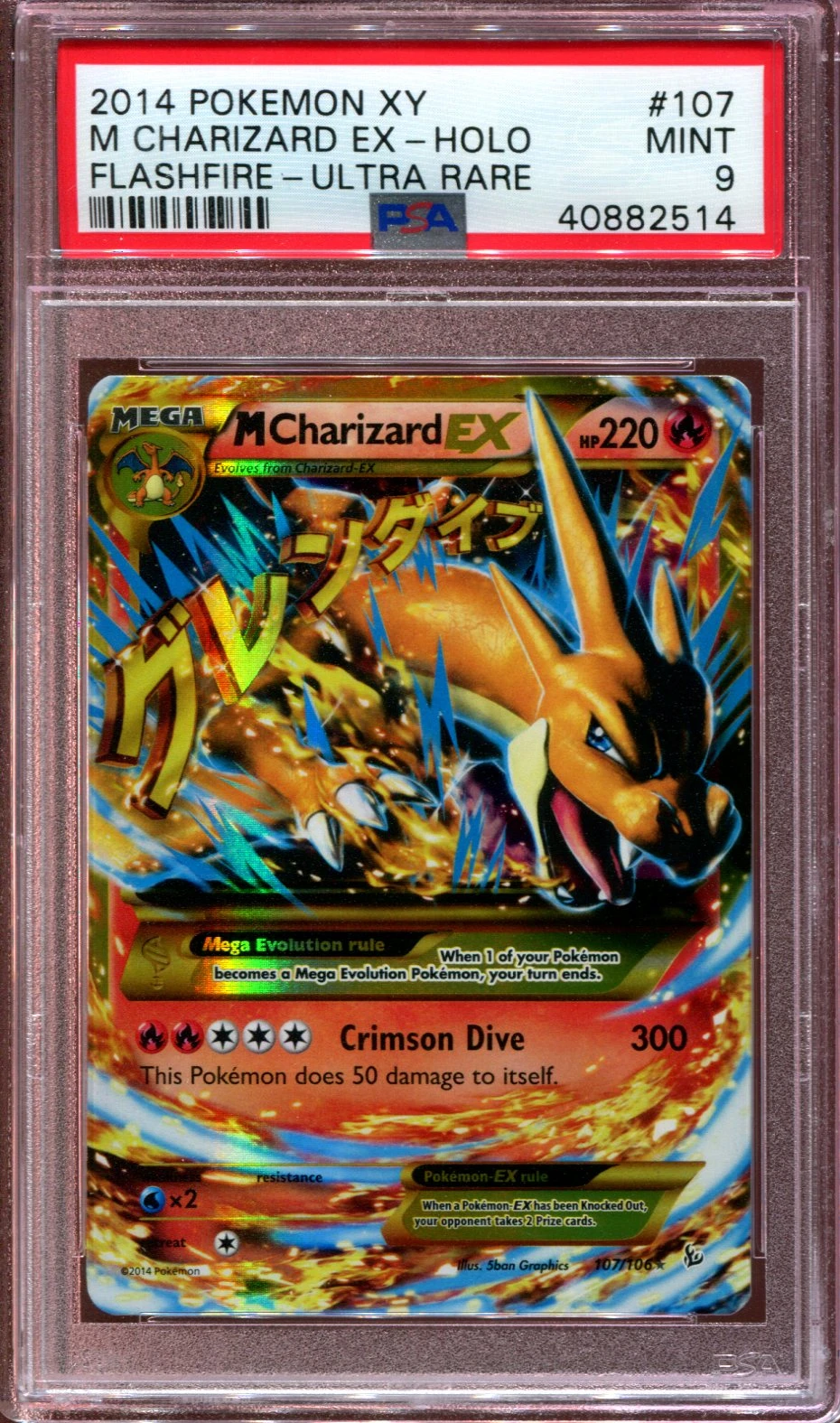
TIL that although all English Mega Pokémon cards had a Japanese text in the artwork, the Japanese cards only had an English text in their artwork on the Ultra Rare versions. The Secret Rare versions had a Japanese text in the artwork instead. Here for example the four M Charizard EX cards from the Flashfire/Wild Blaze sets:
English Flashfire 13/106 and Japanese M Charizard-EX Mega Battle Deck 002/021 Ultra Rares:


English 69/106 Flashfire and Japanese Wild Blaze 055/080 Ultra Rares:
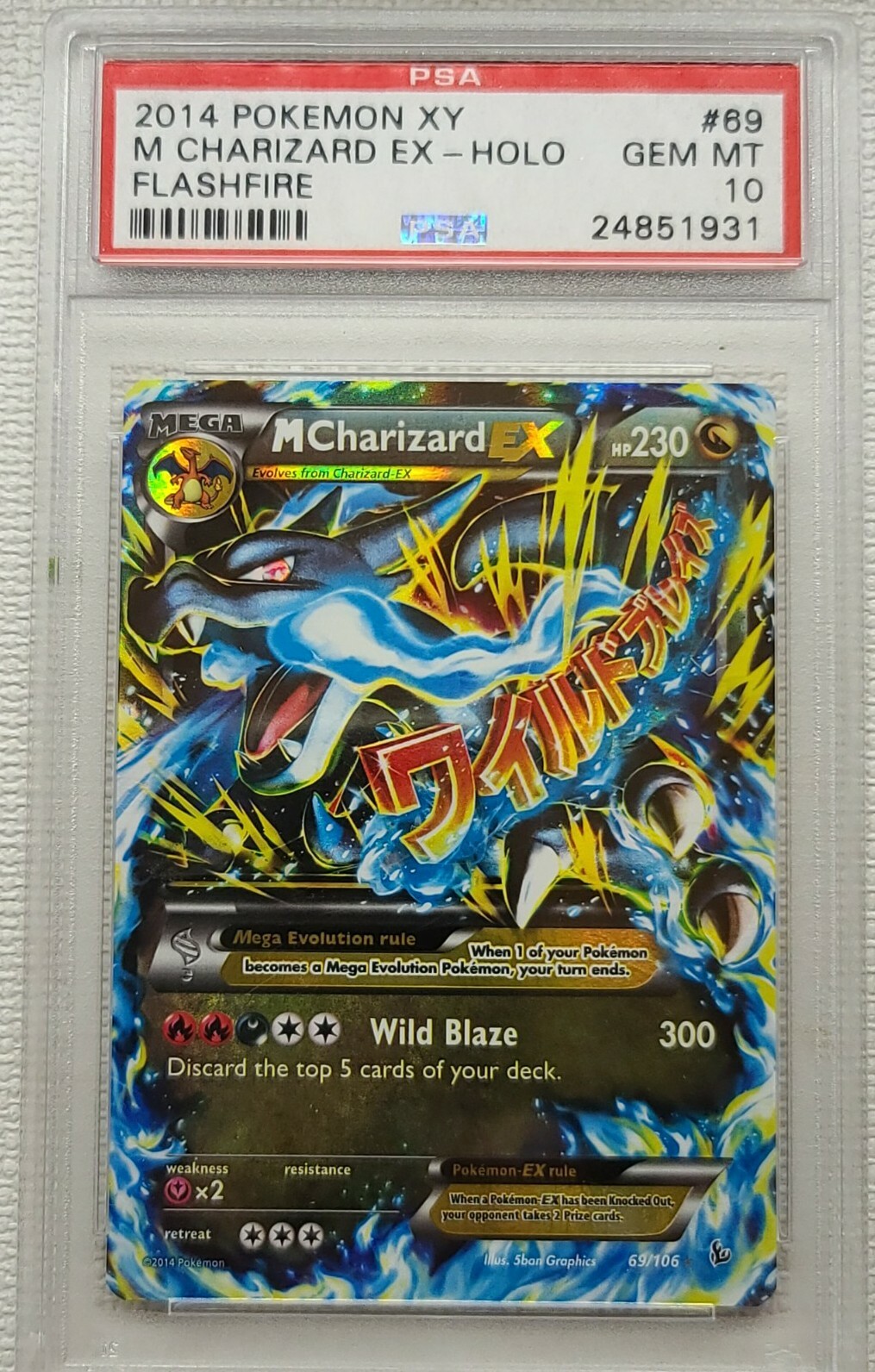

English Flashfire 107/106 and Japanese Wild Blaze 088/080 Secret Rares:

English Flashfire 108/106 and Japanese Wild Blaze 089/090 Secret Rares:
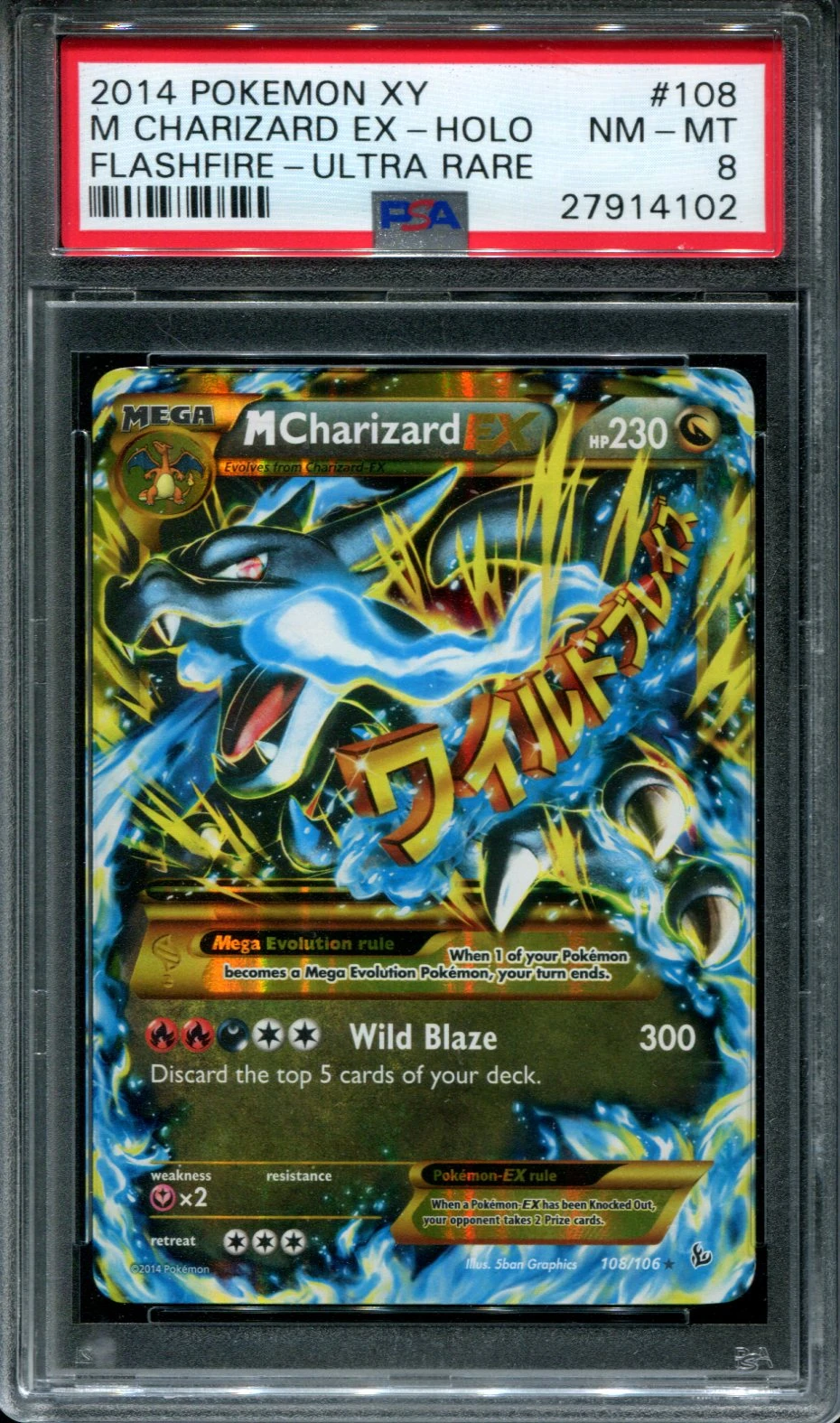
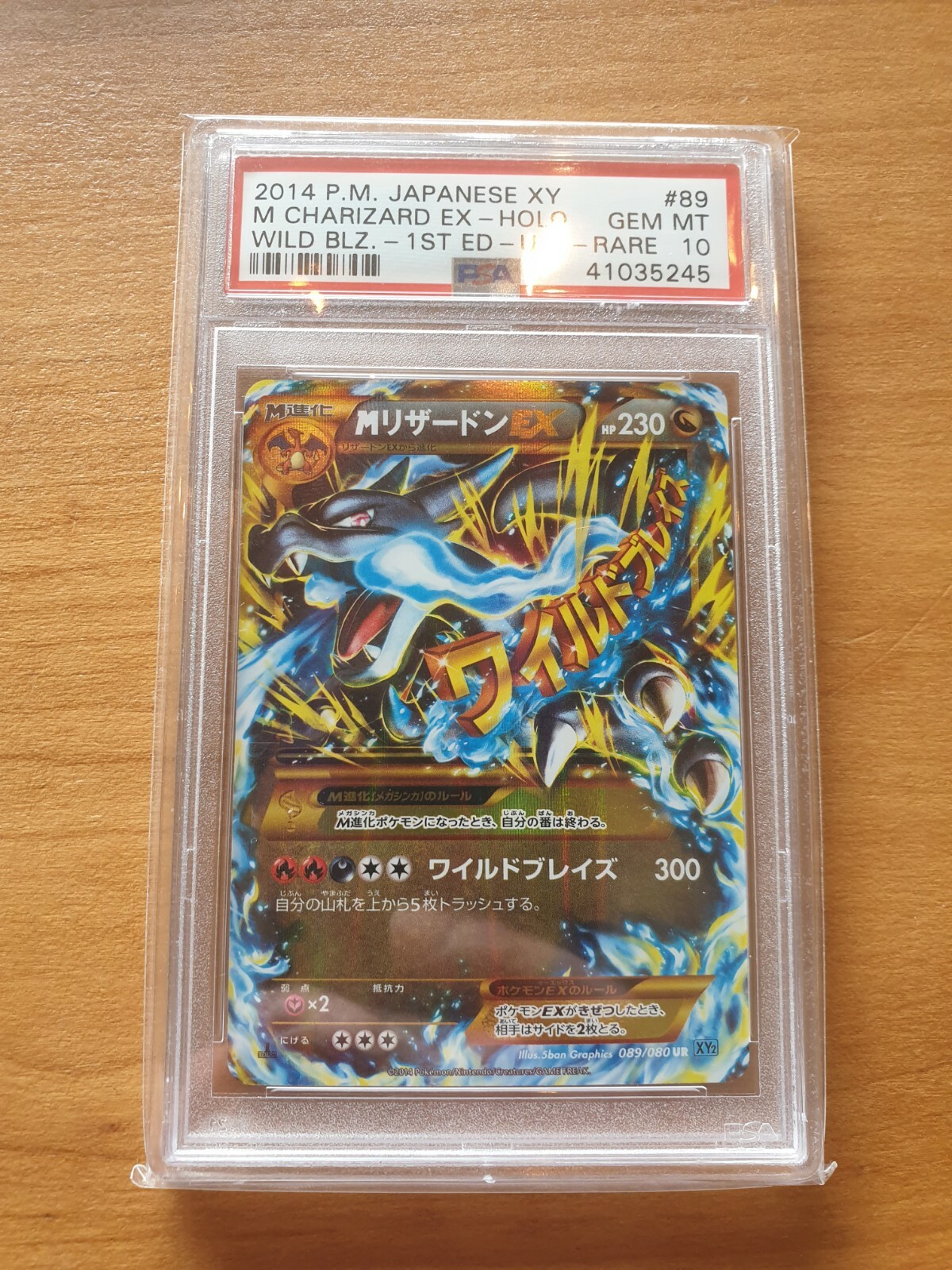
As you can see, the Japanese Secret Rares have Japanese texts in the artwork as well. Just something I’ve learned just yet and thought was worth sharing. 
Greetz,
Quuador
7 Likes
TIL someone at the Pokémon company didn’t know the alphabet and screwed up the alphabetical order of the 54/109 Koffing and 55/109 Goldeen Commons of the EX Ruby & Sapphire set. I’m putting the 1k+ cards I had in a box in my binders, and noticed it just yet.
Greetz,
Quuador
8 Likes
Today I learned that the Unowns on the Japanese Neo Destiny booster art spell “SHINE”. Perhaps there is even more, but I can’t identify the letter on the far right side and Celebi is possibly blocking another letter.


14 Likes