His name is Lyle Freeland (he posted his ebay publicly - I’m not doxing him), he’s been doing it for YEARS on the Facebook misprint group. I wouldn’t be surprised if he’s responsible for the majority of NFC cards at this point. And he’s an admin of the group 
7 Likes
Wow. Sounds like a pretty slick operation he’s running.
3 Likes
Our NFC villain is back at it again with all new types of cuts. 
3 Likes
Do these usually sell for high values?
They look like the type of stuff I’d put in the trash
If PSA grades them as MC, they can sell for a lot. But the problem here is that PSA can’t differentiate between NFC and factory cut when they grade.
I would put them inside a binder, cool to have. But I would not pay a premium for these.
1 Like
CGC is cracking down on NFC cards.
Fake Error Card: Major Miscut Raichu
Posted on 6/12/2024
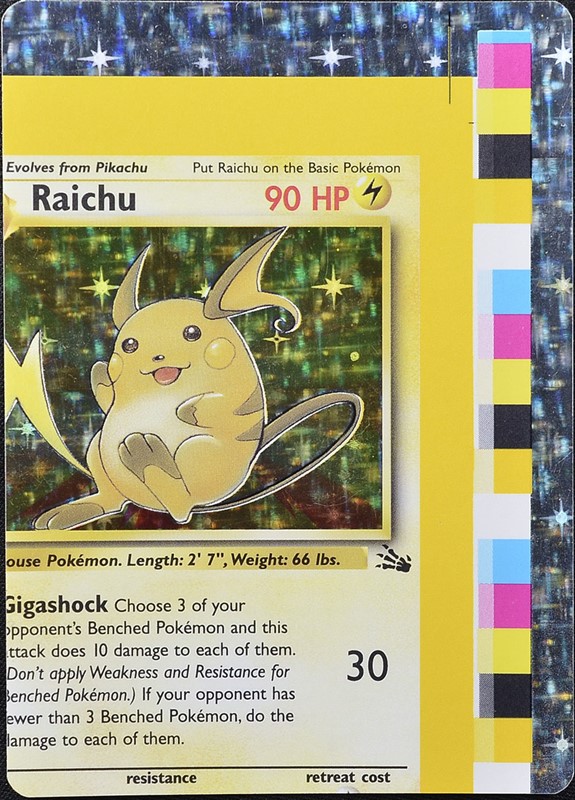
Though the Fossil Raichu card is authentic, the way it was purposefully cut from an uncut sheet was clearly meant to fool collectors.
Collectors often submit miscut or misprint TCG cards to CGC Cards™ for authentication, grading and encapsulation. While many of these misprints and miscuts can be easily identified and authenticated (for more information, check out the CGC Cards Error Guide), some cards appear to be so heavily miscut that they raise suspicion.
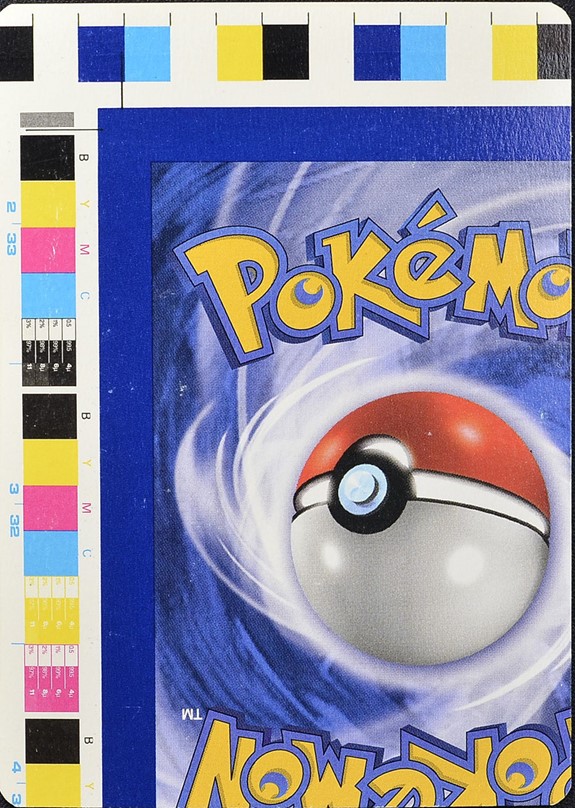
Recently, CGC Cards received a submission containing a Fossil Raichu holo card that looks to be severely miscut. However, although the card itself is authentic, CGC Cards determined that someone intentionally cut the card from a sheet in a way that gives it the appearance of a factory miscut. CGC Cards does not certify regularly issued cards that were cut from a sheet after it has left the printing facility, so this card was returned to the submitter ungraded.
| |
| |
|
When Wizards of the Coast was producing the Pokémon TCG, the company would sometimes offer full uncut sheets of Pokémon cards as prizes or giveaways at certain events — similar to what is done for Magic: The Gathering tournaments to this day. One of the most common sheets given out this way was the KB Toys Fossil holographic sheet. It was given to KB Toys stores in the United States to use as prizes for in-store events. Each of these uncut sheets has the same layout. Based on the color bars on the right side of the card, as well as the blank holo area above Raichu, it is clear that this card was cut from the top right corner of an example of this sheet.
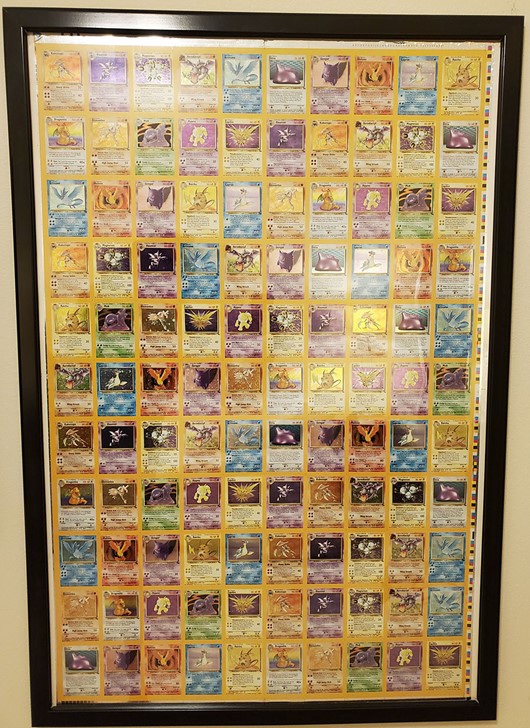

An uncut sheet of holo Fossil cards, produced by Wizards of the Coast for distribution as a KB Toys promotion across the US. (Images provided by Paul Sandler.)
When cards are cut from sheets at the printing facility, the manufacturer takes great care to set the cutting machine to precise measurements to avoid serious miscuts. When errors do occur, they are typically caught in the QC process before being released. However, for a card to have such a serious miscut as this Raichu, it would mean that the sheet would have had to be shifted both vertically and horizontally, two errors which don’t typically occur at the same time.
In addition, magnification of the corners of this card clearly show how much they differ from a genuine pack-pulled Raichu from the same era. As you can see in the overlay photo below, the genuine card (blue) has a much wider radius and smoother corner cut than the fake error.
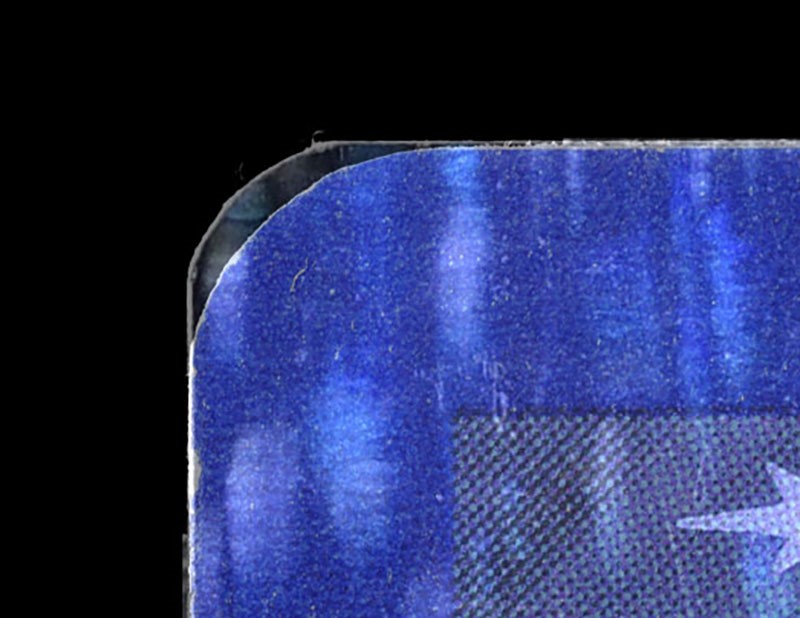
The corner of the fake miscut Raichu overlaps that of a legitimate card.
While CGC Cards does authenticate and grade miscut, misprint and other error cards, CGC graders will reject any cards purposefully altered in order to appear to be an error. If you see a Wizards of the Coast-era Pokémon card that is extremely miscut, such as this Raichu, it is likely too good to be true and is possibly cut from a sheet.
It’s important to exercise caution when purchasing ungraded cards, especially cards that are rare and valuable. Every card certified by CGC Cards is guaranteed to be authentic and not overgraded under the CGC Guarantee. For more information, click here.
6 Likes
So CGC can apparently detect NFC cards and refuses to grade them except for when it’s convenient to ignore the cut and grade it anyway
14 Likes
I’m not even convinced that CGC can reliably detect NFC cards. If the corners were cut better, would they have known?
1 Like
I used to like CGC’s stance on grading cards that were manipulated by labeling them with things like ‘inked’ or ‘altered’. Of course, someone can always break the card out but at least it let a potential buyer know of an issue with the card.
Now it’s just send us whatever and we’ll encase it with no label or description whatsoever. They used to grade strict and have standards and now it’s the opposite.
I thought CGC was good for errors but I feel like grading with this company is asking to devalue your collection.
Ok rant over
2 Likes
The day that PSA reliably grades all Pokemon errors, CGC error collectors will jump ship.
3 Likes
Nope.
Almost every 10+ card order I’ve seen sent to CGC gets sent back as a ‘Mechanical Error’ to let the department know something was missed.
Half the time they missed the error entirely or the label on the slab is wrong. Mechanical error is a funny way to write off someone wasn’t paying attention and blame a machine.
5 Likes
I want to clarify I’m not against slabbing nfc. I would actually encourage them being in slabs with an nfc designation on the label. That way, transparency is maximized for everyone.
It’s just a matter of consistency. Either slab nfc or don’t. If you only slab an nfc when it’s a marketing advantage for your company, you are demonstrating that your priorities have nothing to do with being an objective and reputable opinion
9 Likes
Yea my first thought reading this thing on raichu was immediately “so how do they decide which nfcs are ok and which ones arent?”
Seems like a random line to draw that cards that were ‘regularly issued’ are not certifiable (for whatever reason) but less verifiable ‘test prints’ are certifiable even though the KB fossil sheet actually has a clear story to trace its existence back to
2 Likes

Is this a joke? Lol
1 Like


what about all those discos etc that were cut up buy you know who
1 Like
Grimy as all get out. This kind of killed miscuts for me. Not interested in trying to figure out what’s real and what’s a sham
2 Likes

